Luxor · Skyline Blog
Generic Affiliate Program vs Verified Ambassador Network
Fabián Alvarez6 min read
TL;DR
- A generic affiliate program relies on static materials that go out of date fast.
- An ambassador network with a verified catalog connects the reseller's page to the operator's real catalog.
- In Luxor, each ambassador earns commission both on bookings from their link and on spending redeemed at partner venues.
- Attribution is built into the sales flow, not a manual report compiled at month's end.
The key difference is verification: a generic affiliate promotes materials that go stale, with no clarity on who answers if something fails. An ambassador network with a verified catalog, like Luxor, connects the reseller's page to real experiences and attributes every booking and every redeemed spend directly to their name.
What's the difference between a generic affiliate program and an ambassador network with a verified catalog?
A generic affiliate program gives you a link and a commission per click or per sale, but it doesn't tell you what you're actually selling. The reseller puts their name on it, promotes something they never tried themselves, and if the customer shows up and the experience doesn't exist anymore, changed schedule, or costs something different, the problem lands on whoever recommended it.
An ambassador network with a verified catalog flips that logic: what you promote is connected to the operator's real catalog, with availability and prices that exist right now. Luxor, Skyline's ambassador program, works this way: each ambassador gets their own page at yourname.skyln.co with verified experiences from the network, with editable order, highlights and look.
The difference isn't just about marketing. It's about who answers when something goes wrong, how a sale gets tracked back to you, and where your commission money literally comes from. Let's go through those three questions, because they're the ones that actually matter to a reseller before putting their name and audience behind a link.
An example to frame the problem
Picture a content creator in Cartagena promoting tours from several different operators through traditional affiliate links. Each operator has their own spreadsheet, their own commission payout process, and their own (sometimes nonexistent) standard for how updated the catalog is that they emailed as a PDF three months ago. If a tour no longer exists or changed price, the creator finds out when an annoyed follower messages them.
Now compare that to an ambassador operating on a network with a shared catalog: what shows up on their page is what the operator actually has available today, because it comes from the same system where the operator manages their bookings.
What gets recommended in each model?
In a generic affiliate program, what gets recommended usually depends on materials the affiliate receives by email or in a WhatsApp group: photos, sales copy, maybe a PDF with prices. That information goes stale fast and nobody flags it when it changes.
In an ambassador network with a verified catalog, what gets recommended lives in one place and updates from the source. In Luxor's case, each ambassador has a page at yourname.skyln.co with verified experiences from the network, with editable order, highlights and look. The ambassador decides how their page looks, but doesn't make up what's on offer: it comes from the shared catalog.
This matters especially for a reseller working with several operators at once. Instead of keeping half a dozen different information sources updated by hand, they work off a single storefront that reflects real availability.
Who answers for the experience?
This is the question almost nobody asks before joining an affiliate program, and the one that causes the most headaches later. If the end customer has a problem with the tour, who fixes it? The affiliate, who has no control over the operation? The operator, who didn't even know that affiliate existed until there was a complaint?
In a generic affiliate program, the answer is usually "it depends" because there's no structured relationship between whoever recommends and whoever operates. In an ambassador network with a verified catalog, the experience being promoted already went through the operator who lists it, manages it, and answers for it directly to the traveler. The ambassador doesn't operate the tour: they recommend it from a page pointing to something real, managed by whoever actually has operational control over guides, availability and logistics.
That doesn't remove the unexpected hiccups any tourism experience can have. But it does make clear, from day one, that recommending and operating are different roles with different responsibilities, and that the ambassador isn't left alone holding a promise they can't keep.
How does the sale get attributed?
This is where most money gets lost in traditional affiliate programs. A generic link can lose its cookie, the customer might message directly on WhatsApp instead of clicking through, or simply nobody keeps a reliable record of who brought whom.
With a verified catalog and a structured network, attribution is built into the sales flow itself. In Luxor, the ambassador earns a commission on every booking that comes from their link, and the booking is recorded under their name. It's not a manual report someone reconciles at month's end: the booking is born already tagged with its origin.
This also covers a scenario classic affiliate programs almost never account for: in-person spending. An ambassador also earns on spending at partner restaurants and venues when the traveler redeems a courtesy the ambassador recommended. In other words, attribution isn't limited to a tour booking: it extends to what the traveler spends on the ground, as long as it came through the redemption of a courtesy the ambassador recommended.
Where does the commission come from?
In a generic affiliate program, the commission usually comes out of a marketing budget the business sets on its own, with no direct relationship to what the affiliate actually generated beyond the click or the initial reported sale.
In an ambassador network with a verified catalog, the commission is tied to concrete, verifiable events: a booking that came from the ambassador's link, or a courtesy redemption the traveler made after the ambassador recommended it. It's not a fixed pool handed out at someone's discretion: it's a percentage on something that actually happened and got recorded.
Comparison table
| Criteria | Generic affiliate program | Ambassador network with verified catalog (Luxor) |
|---|---|---|
| What gets recommended | Static materials (PDF, photos) that go out of date | Own page with verified experiences, updated from the network's catalog |
| Who answers for the experience | Fuzzy relationship between affiliate and business | The operator listing the experience answers for it; the ambassador recommends, doesn't operate |
| How the sale is attributed | Links or cookies that can be lost; manual reports | The booking is recorded under the ambassador's name from the link; courtesy redemptions are also attributed |
| Where the commission comes from | Discretionary marketing budget | A percentage on bookings and on redeemed spending, tied to verifiable events |
What does this mean for a reseller in practice?
For a reseller, the difference translates into less friction and less reputational risk. You don't have to manually check whether what you're promoting still exists, because the page you share reflects the real catalog. You don't have to chase anyone to get paid, because the commission is tied to events that get recorded automatically: every booking that comes from your link and every courtesy a traveler redeems after your recommendation.
You also don't have to take on operational responsibilities that aren't yours. Your job is to recommend well, build an audience and keep your page active; the operator handles the tour's logistics and the venue handles the in-person courtesy experience.
This doesn't make the model free of nuance. If you work with an ambassador network, your income depends on the quality of the catalog available and how active the network of connected operators and venues is. The more verified experiences and partner venues you have available to recommend, the more options you have to build a page that actually converts.
What to do next
If you already recommend tourism experiences to your audience, start by checking how many of them you could verify right now without messaging anyone. If the answer is "none" or "I'd have to ask," it's worth setting up your ambassador page at yourname.skyln.co and start recommending from a catalog that updates itself.
Frequently asked questions
Does an ambassador need to pay anything to start recommending experiences?
No, the ambassador role is free and your own page is ready in minutes. The ambassador invests time building an audience, not money to join the network.
What happens if the end customer has a problem with the tour I recommended?
The operator who lists the experience in the catalog is the one who answers for its operation, since they control guides, availability and logistics. The ambassador recommends from their page but doesn't manage the tour's operational side.
How do I know a sale was correctly attributed to my account?
When the booking comes from the ambassador's link, it gets recorded under their name inside the system. The same happens when a traveler redeems a courtesy the ambassador recommended at a partner venue.
Can I have my own inventory alongside the network's experiences?
Yes, an ambassador can add their own experiences to their page and sell them alongside the network's, without losing the verification of the shared catalog.
Does this work the same for restaurants and venues as for tours?
Commission on spending applies when the traveler redeems a courtesy the ambassador recommended at partner restaurants and venues, in addition to the commission on tour bookings. These are two separate income sources within the same ambassador role.
Luxor
See Luxor in action
The ambassador program: hosts, guides and creators earn commission for recommending experiences from their own page.
Get started with Luxor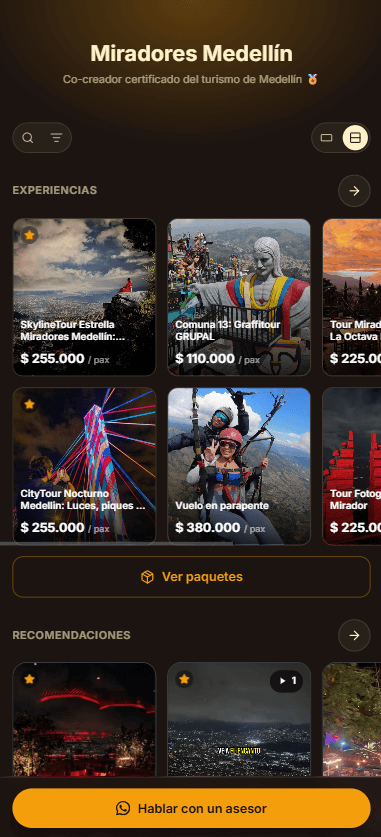
Related · Luxor
How a Local Creator Monetizes Her Plan Recommendations
An ambassador page gathers all of a creator's recommendations in one link for her bio.
ReadHow to Add Tour Recommendations to Your Airbnb Check-In
The ambassador link goes in the check-in message, right after logistics and before the closing.
ReadHow a Rideshare Driver Recommends Tours With a QR
The ambassador QR activates for free and in minutes, at no cost to the driver.
Read